

Lake Thurmond: History, Heritage & What It’s Like to Live Here
Lake Thurmond, also known as Clarks Hill Lake, was built for flood control and hydropower. Today, it’s one of the Southeast’s most livable lake regions, known for uncrowded water, quiet coves, and a relaxed year-round lifestyle near McCormick SC, Savannah Lakes Village, and Lincolnton GA.
Lake Thurmond, also known as Clarks Hill Lake, is a large, uncrowded reservoir on the Georgia–South Carolina border known for boating, outdoor recreation, and relaxed lakefront living. Created in the 1950s for flood control and hydropower, it has evolved into a year-round residential lake community popular with retirees, remote workers, and second-home owners seeking space, privacy, and a slower pace of life.
If you’re researching a future move or planning a visit, the sections below walk through the lake’s origins, how the lifestyle evolved, and what living here feels like day to day.
How Lake Thurmond Was Created
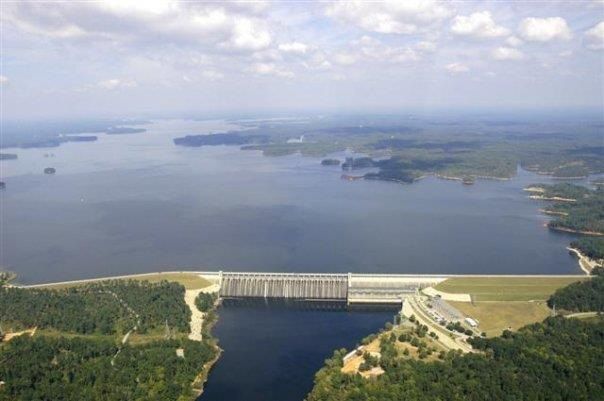
What is Lake Thurmond? Lake Thurmond is a man-made lake formed in the 1950s along the Savannah River. It spans Georgia and South Carolina and was originally built for flood control and electricity generation. Today, it is widely known for recreational boating, fishing, and low-density residential living.
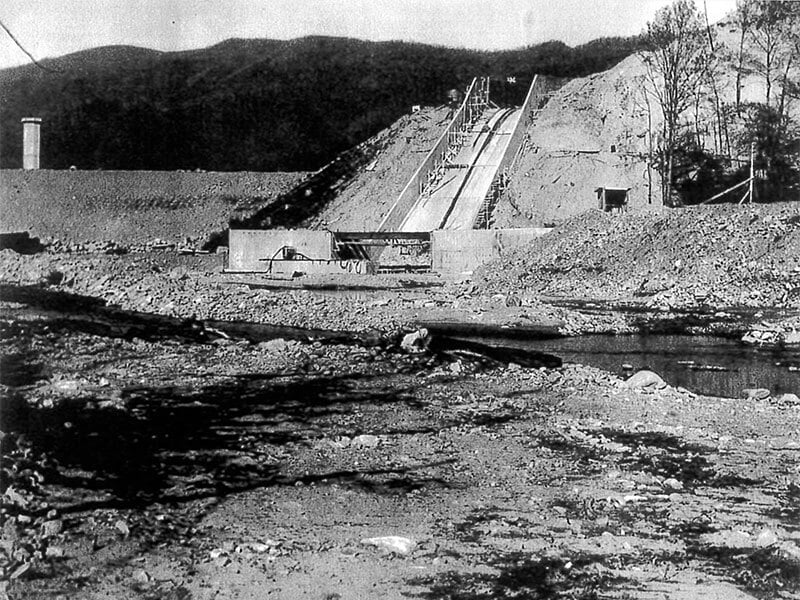
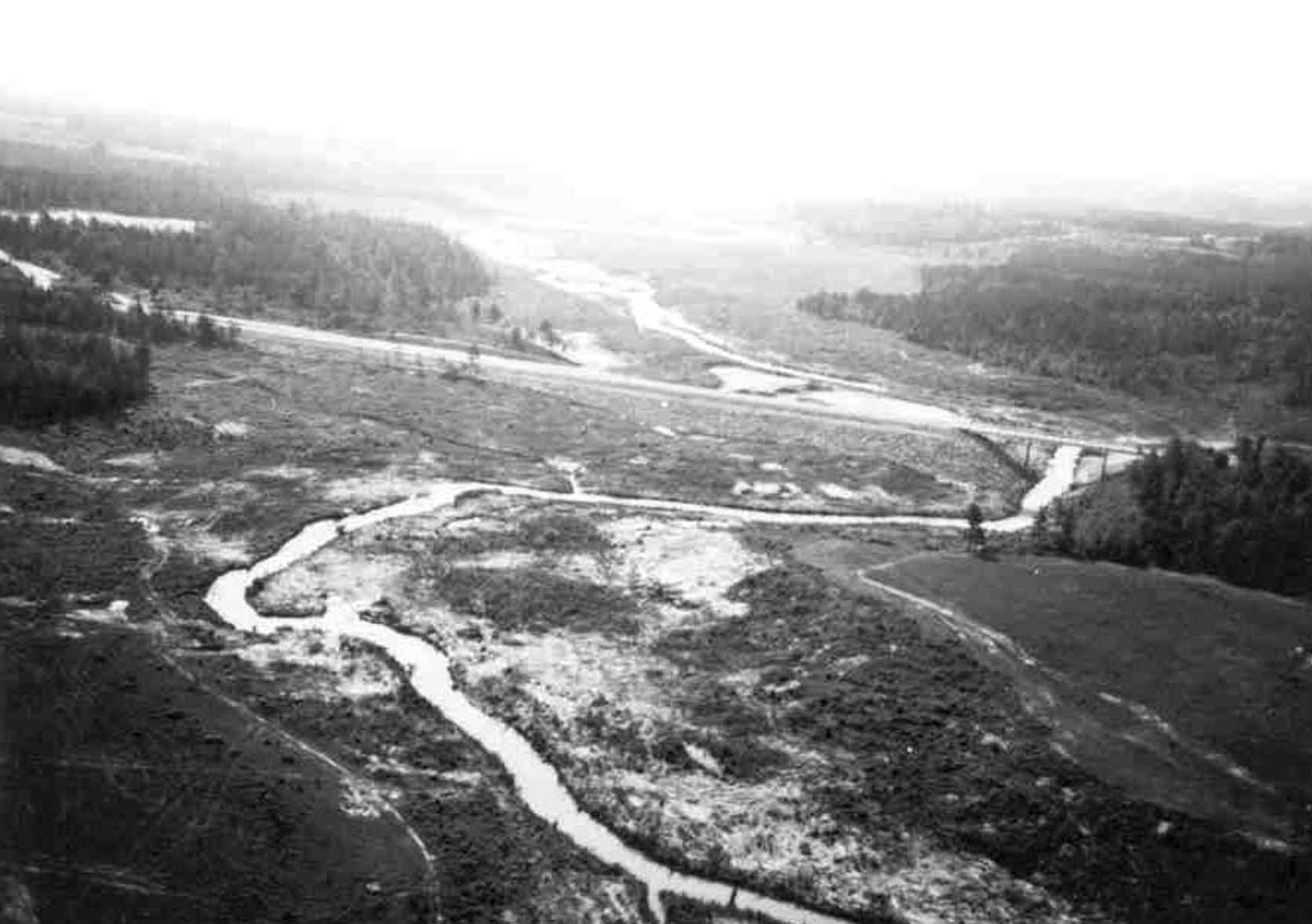
Lake Thurmond was formed in the early 1950s as part of a major flood-control and hydroelectric project along the Savannah River. What emerged was one of the largest man-made lakes in the Southeast, spanning Georgia and South Carolina and reshaping the region’s economy, recreation, and way of life.
Entire communities were relocated, farmland became shoreline, and a new relationship with the land began. Over time, what started as infrastructure evolved into something far more personal: a lake woven into daily life.
From Working Lake to Lifestyle Lake
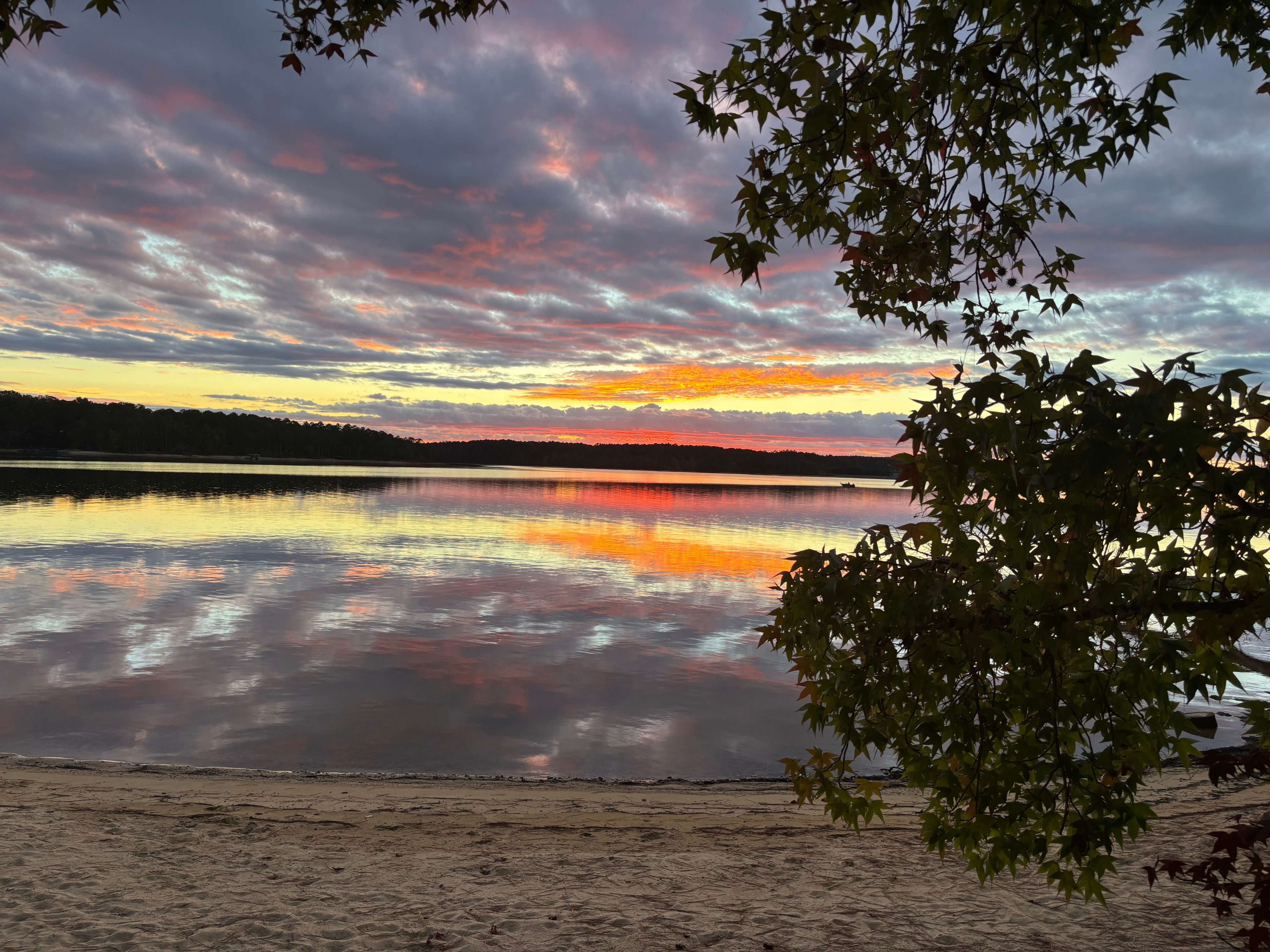
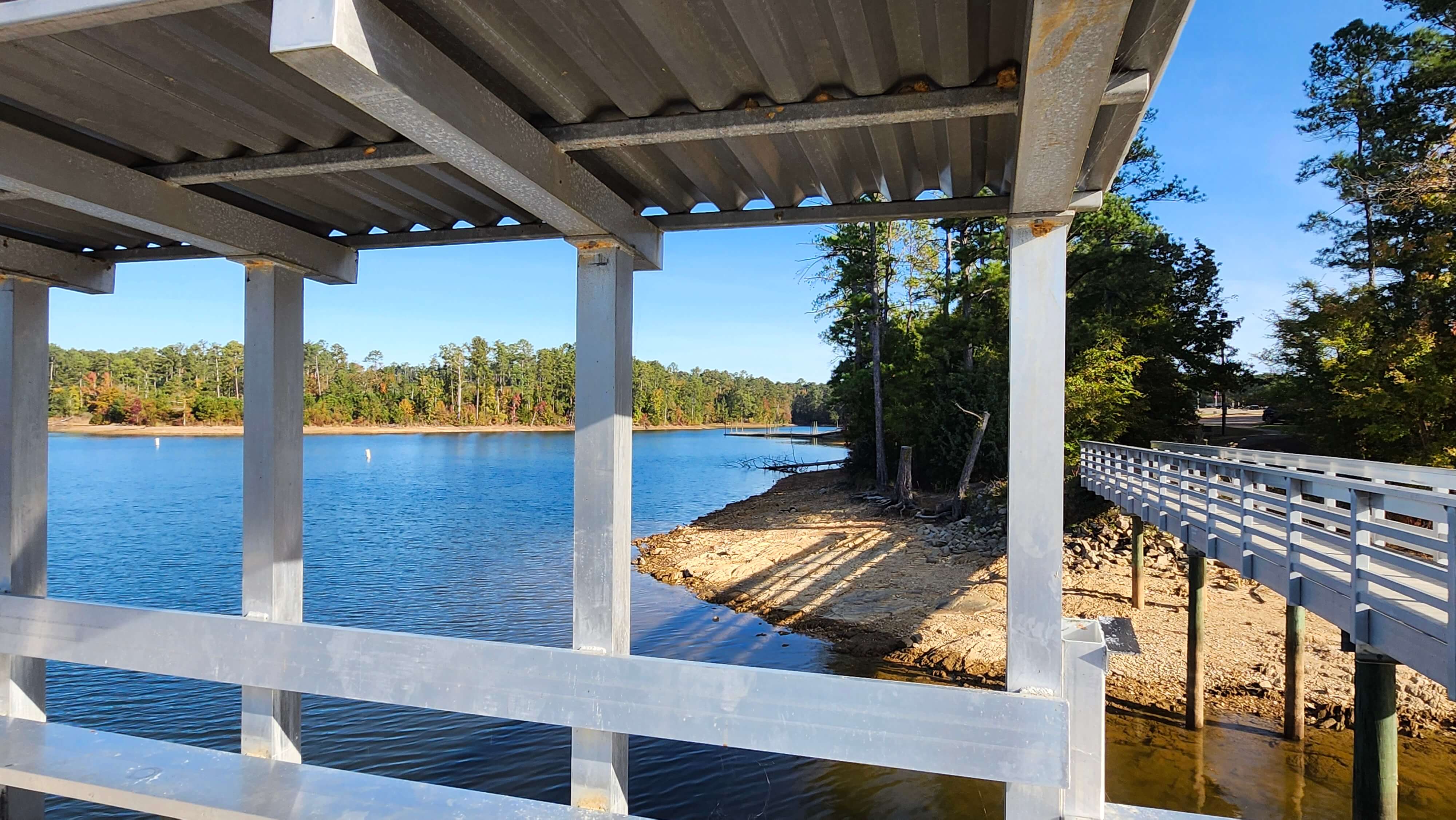
Today, Lake Thurmond balances its original purpose with a deeply lived-in lifestyle. The lake remains uncrowded compared to many southern reservoirs, offering long shorelines, quiet coves, and room to breathe—something longtime residents and newcomers alike value.
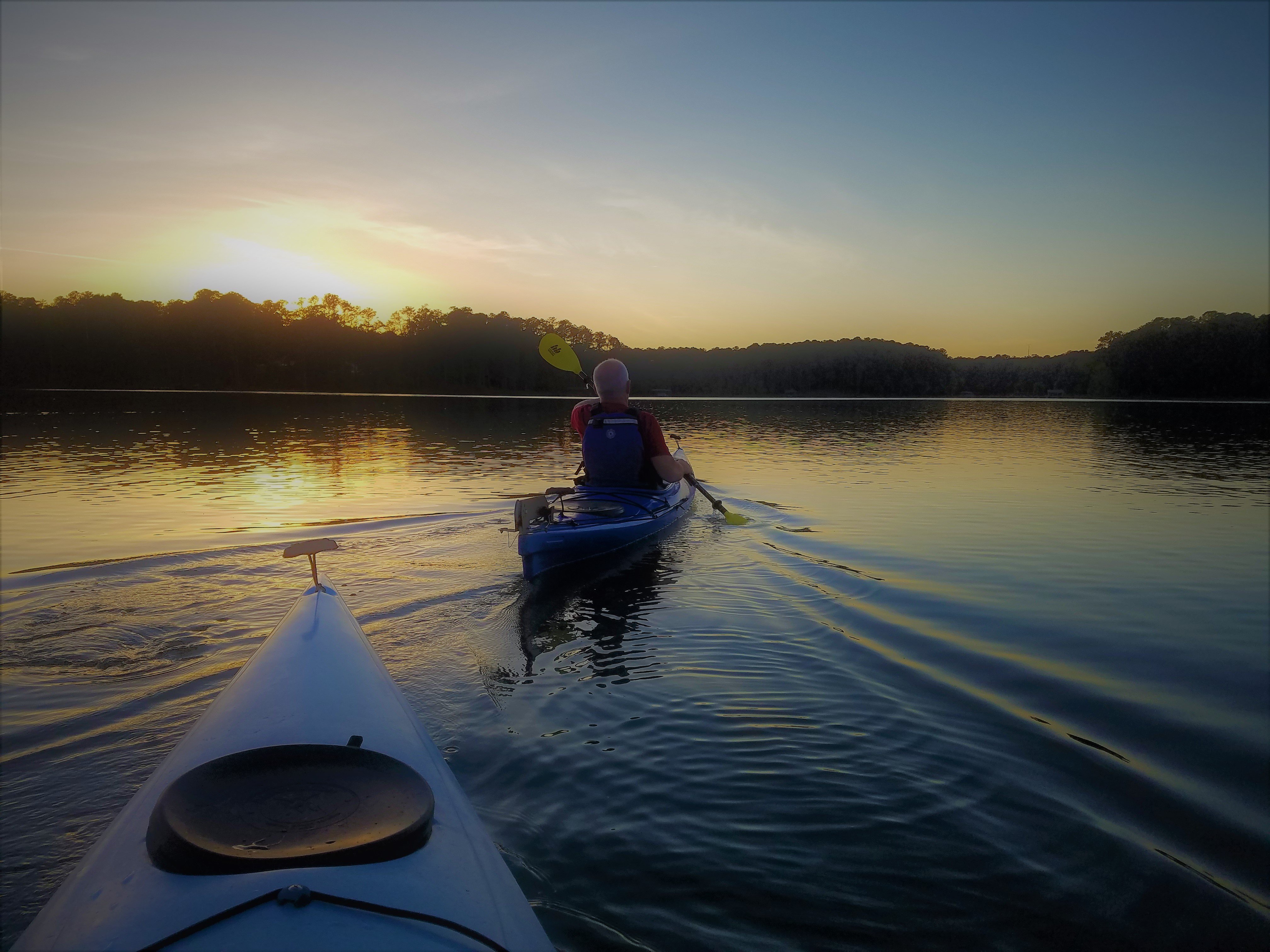
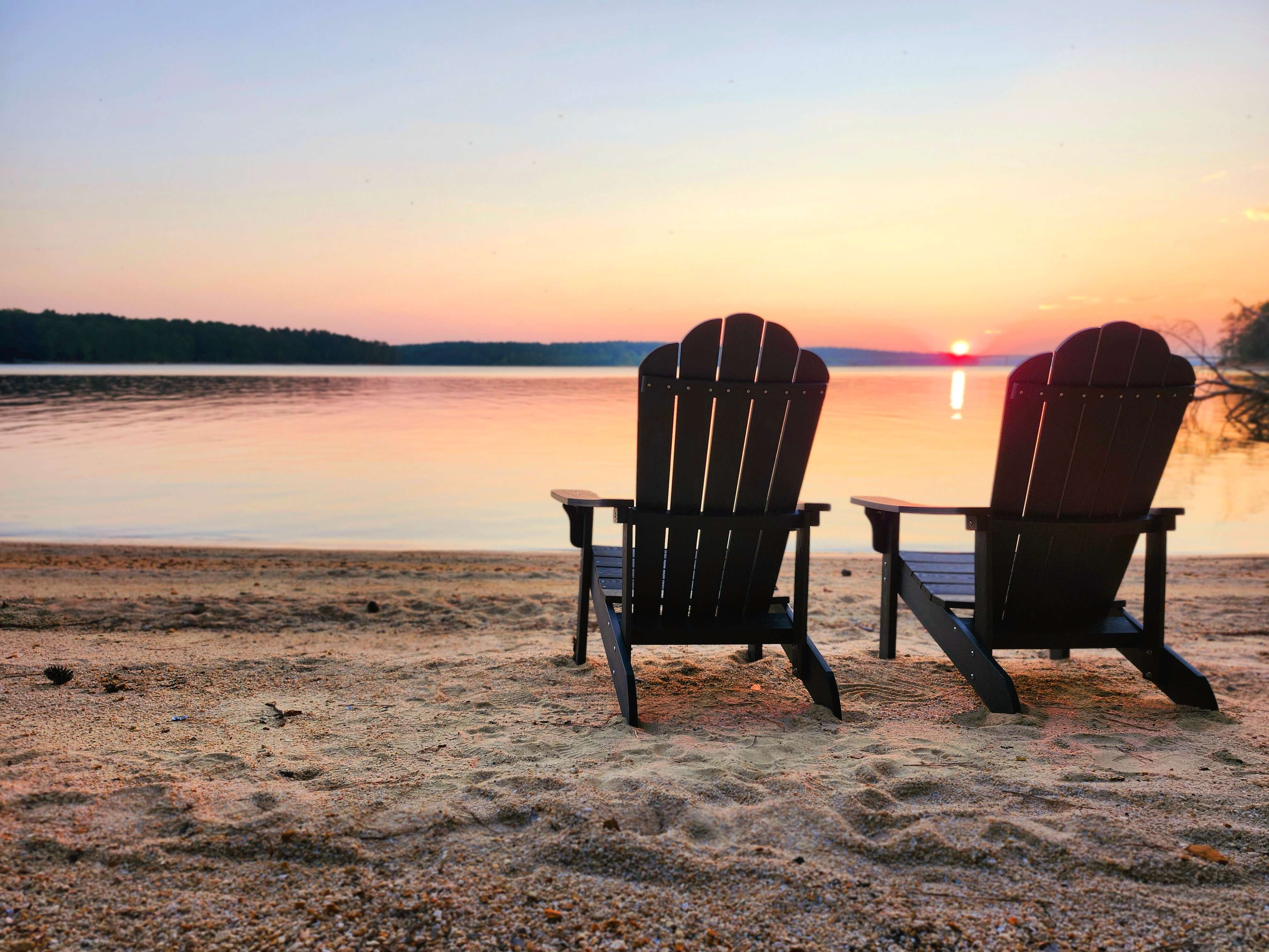
Boating, kayaking, fishing, swimming, and sunset cruising aren’t occasional events here. They’re part of the rhythm of life. Many residents describe the lake as a backdrop rather than a destination: always present, never rushed.

The Communities Around the Lake
Life around Lake Thurmond isn’t centered on one town. Instead, it’s shaped by a collection of small communities—each offering a slightly different feel, pace, and connection to the water.
- Savannah Lakes Village: A master-planned lake and golf community with trails, amenities, and active clubs.
- McCormick, SC: A historic county seat with a quiet downtown and strong local roots.
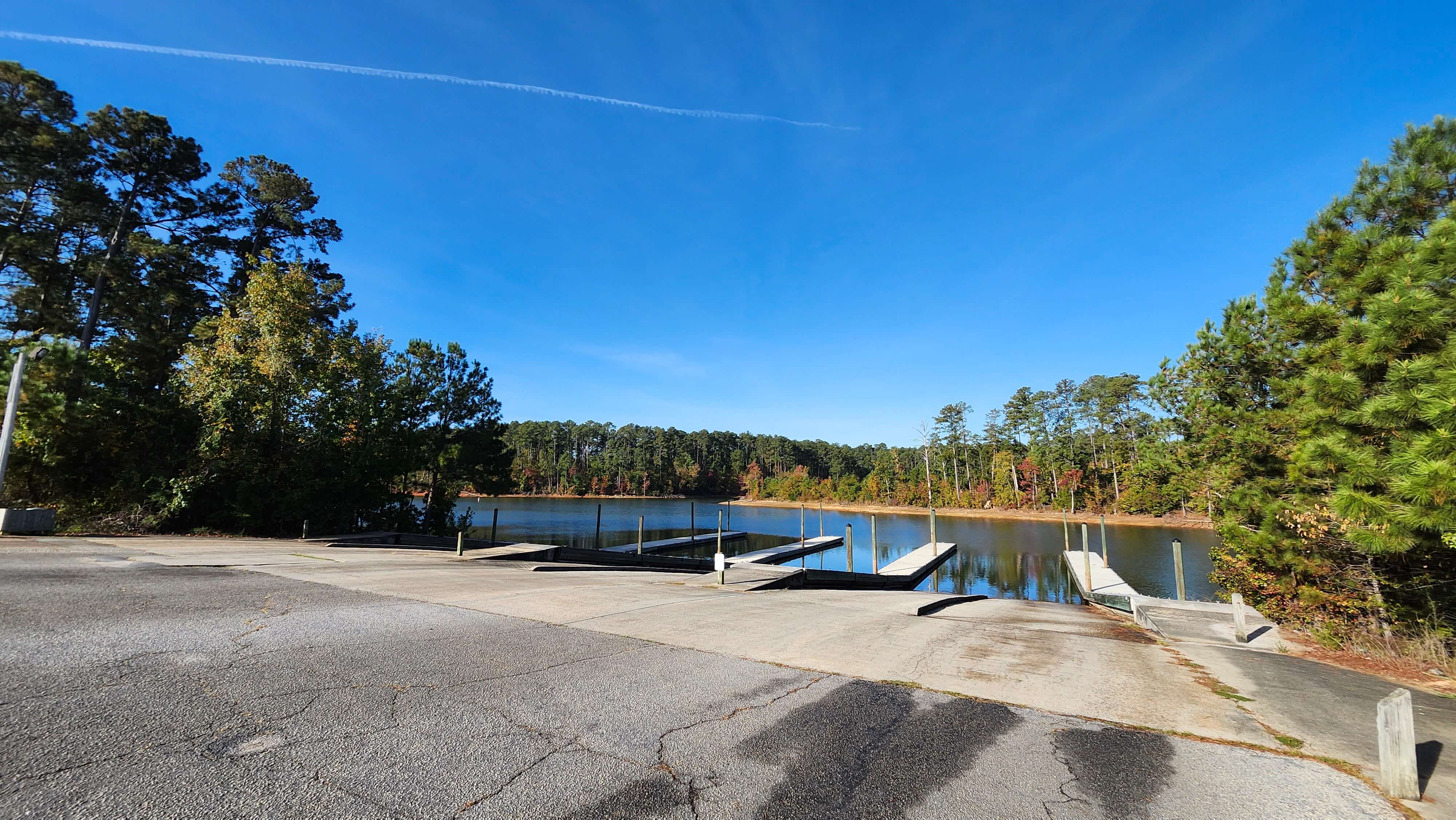
- Lincolnton, GA: A traditional Southern town with marinas, lake access, and easy boating culture.
- Rural shoreline areas: Private docks, acreage, and long-term residents who value privacy and space.

What It’s Really Like to Live Here
What is it like to live near Lake Thurmond? Living near Lake Thurmond is quiet, outdoor-focused, and community-driven. Residents enjoy uncrowded water access, four mild seasons, informal social connections, and daily routines shaped by nature rather than traffic or tourism.
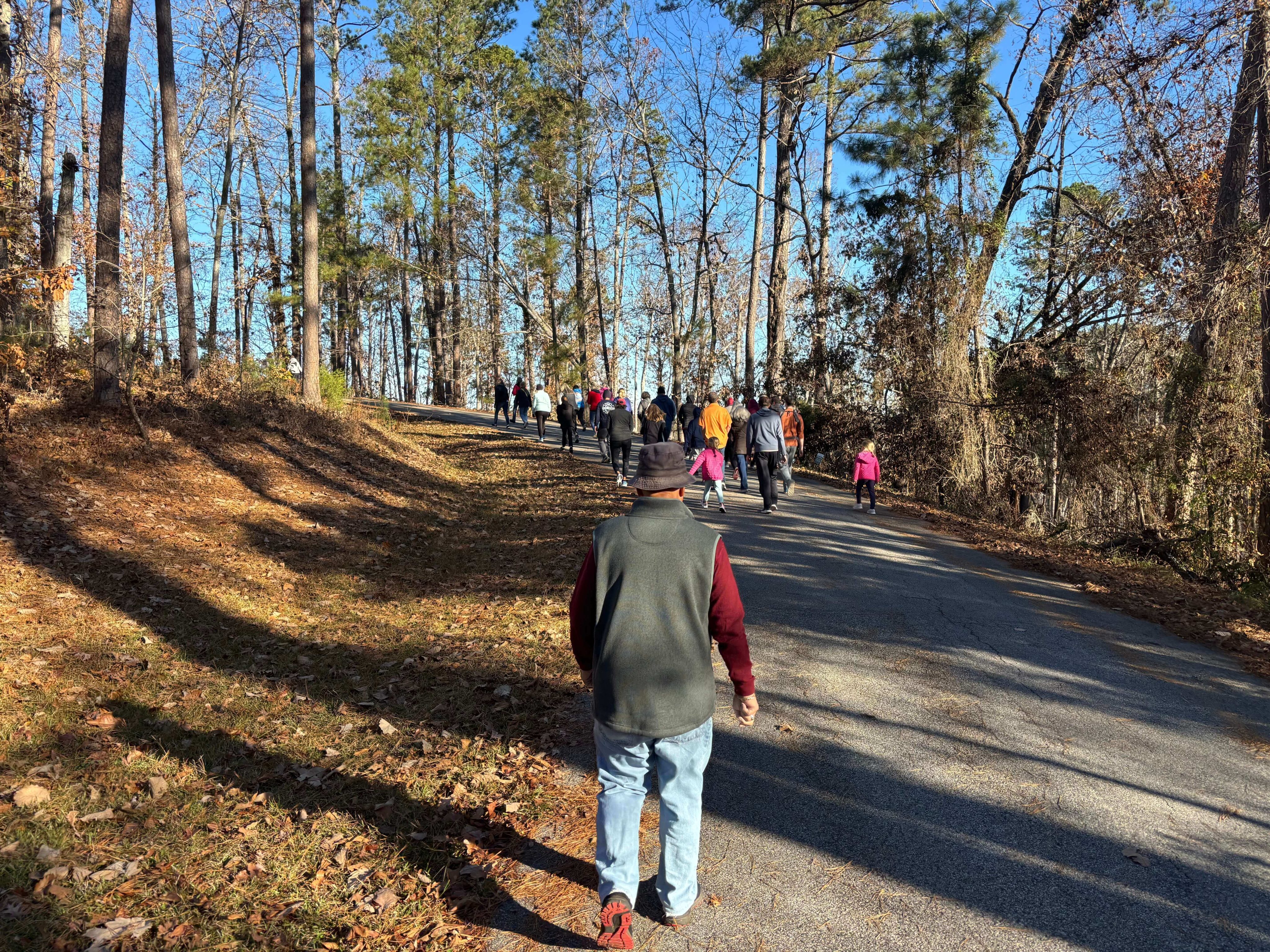
Living near Lake Thurmond tends to attract people looking for space, simplicity, and authenticity. It’s common to meet full-time residents, retirees, remote workers, and second-home owners who all share a similar motivation: slowing down without disconnecting.
Days often revolve around weather, water levels, and daylight—not traffic reports. Social life is informal, neighbors know each other, and the outdoors quietly anchors daily routines.


Why People Choose Lake Thurmond Long-Term
- Large, uncrowded lake with long shorelines and quiet coves
- Year-round boating, fishing, kayaking, and outdoor recreation
- Lower cost of living than coastal or resort lake markets
- Active retirement and second-home communities
- Access to nearby healthcare, shopping, and regional airports
Thinking About Living Near Lake Thurmond?
Lake Thurmond combines historical purpose with modern lake living, making it a practical long-term choice—not just a vacation destination.
If you’re considering a move, visiting the area, or comparing communities around the lake, local guidance can save time and help you avoid surprises.
Frequently Asked Questions
What is the history of Lake Thurmond?
Is Lake Thurmond a good place to live year round?
What kind of lifestyle does Lake Thurmond offer?
Do people retire to Lake Thurmond?
Want help narrowing down which side of the lake fits your goals best (quiet coves, marina convenience, golf amenities, or town access)? Use the contact link above and tell us what kind of days you want to live.